
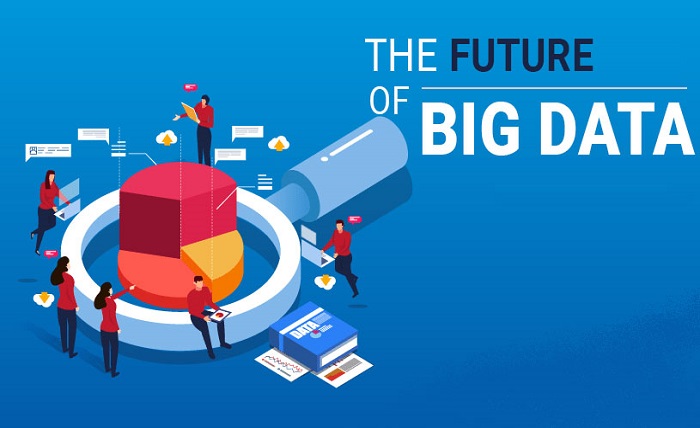
In the modern world, data is more than just numbers on a screen it’s a powerful asset that has the potential to transform industries, economies, and everyday life. Big data, with its vast volume, variety, and velocity, is driving the future of technology, business, and decision-making. By analyzing large sets of data, organizations can uncover valuable insights that help shape strategies, predict trends, and improve efficiency.
As businesses, governments, and even individuals harness the power of big data, the digital landscape is evolving to incorporate real-time analytics, predictive modeling, and data-driven decision-making. The ability to collect and analyze data from various sources, such as social media, IoT devices, and consumer behavior, enables organizations to tailor their offerings, target specific audiences, and streamline operations in ways that were previously unimaginable.
One of the many tools that have emerged to help people and businesses use data more effectively is image editing software. With the click of a button, users can enhance their visual content, such as product images or promotional materials. For example, bg remove allows individuals to instantly remove backgrounds from images, making it easier to create polished, professional visuals without needing complex software or advanced skills. This tool is a prime example of how technology is leveraging data to simplify tasks and improve productivity.
How Big Data Is Revolutionizing Industries
Big data is transforming industries in profound ways, allowing companies to gain deeper insights into their operations, customers, and markets. In healthcare, for example, the analysis of patient data enables doctors to provide more personalized treatment, while predictive analytics helps healthcare providers anticipate potential health issues before they arise.
In retail, big data allows companies to track consumer behavior, preferences, and purchasing patterns. This information is used to optimize inventory, improve customer experiences, and create targeted marketing campaigns. Personalized recommendations, discounts, and advertisements are all driven by data collected from customers’ online activities.
In finance, big data analytics help detect fraudulent transactions by identifying unusual patterns in financial behavior. Banks and credit institutions use data to assess risk, determine creditworthiness, and offer tailored financial products to customers.
The potential of big data is limitless, and as technology evolves, its applications will continue to expand into new areas.
Data-Driven Decision Making
One of the most significant impacts of big data is its role in data-driven decision-making. Traditionally, decisions in business and government were based on intuition, experience, and limited data. Today, big data enables organizations to make more informed decisions based on facts and trends.
Through advanced analytics, businesses can forecast market trends, identify customer needs, and optimize operations. For example, predictive analytics uses historical data to predict future outcomes, allowing businesses to prepare for changes in demand or identify potential challenges before they arise.
Government agencies also benefit from data-driven decision-making. By analyzing crime patterns, traffic data, or social trends, authorities can develop better policies, allocate resources more effectively, and improve public services.
The Role of Artificial Intelligence and Machine Learning
Artificial intelligence (AI) and machine learning (ML) play a crucial role in unlocking the full potential of big data. These technologies enable systems to learn from data, adapt over time, and provide insights that humans might overlook. By analyzing vast amounts of data quickly, AI and ML can identify patterns, make predictions, and automate processes.
In marketing, AI and ML are used to personalize content and advertisements for specific audiences. In manufacturing, AI-driven predictive maintenance helps companies reduce downtime and extend the lifespan of equipment. In finance, AI algorithms analyze market data to make high-frequency trading decisions.
As AI and ML continue to improve, they will only become more integrated into how businesses and organizations use data to drive success.
Privacy Concerns and Ethical Considerations
With the rise of big data, privacy concerns and ethical considerations have become increasingly important. As more personal data is collected through online activities, mobile apps, and IoT devices, individuals are becoming more conscious of how their information is being used.
Data privacy regulations, such as the General Data Protection Regulation (GDPR), have been implemented to protect consumer privacy and ensure that businesses handle personal data responsibly. However, as data collection becomes more sophisticated, the challenge of balancing the benefits of big data with the protection of personal privacy grows more complex.
Ethical considerations also come into play when analyzing and using data. For example, biases in data collection or algorithms can lead to unfair or discriminatory outcomes. Organizations must ensure that their data-driven decisions are based on ethical principles and that they consider the potential social and cultural impacts of their actions.
The Future of Big Data
The future of big data is bright, with many exciting developments on the horizon. As more industries embrace data-driven approaches, the volume of data generated will continue to grow exponentially. New technologies, such as 5G, will enable faster data transmission, allowing for more real-time analytics and greater connectivity between devices.
Additionally, the integration of big data with emerging technologies such as blockchain, IoT, and AI will unlock even more potential. Blockchain can help secure data and provide transparency, while IoT devices will generate vast amounts of data that can be used to improve efficiency and create smarter systems.
As big data continues to evolve, its impact on society, business, and technology will only grow stronger. Those who embrace the power of data and use it responsibly will be better positioned to thrive in this data-driven future.
Conclusion
Big data has already begun to reshape the world in which we live, and its impact will only continue to grow. From driving business success and improving decision-making to transforming industries and addressing privacy concerns, big data plays a critical role in shaping the future of technology.
Whether you are a business owner, a creator, or an individual looking to stay ahead of the curve, understanding the power of data and how to leverage it will be essential for success. The digital world is evolving, and those who harness the power of big data will be at the forefront of this transformation.