
Amavasya kab ki hai is a common search among devotees following the Hindu lunar calendar. Amavasya kab ki hai marks the new moon day when the moon is not visible, symbolizing introspection and ancestral reverence in Hindu traditions.
Amavasya kab ki hai holds deep spiritual meaning as it represents the absence of moonlight, allowing focus on inner light and pitru (ancestor) rituals. Many people ask amavasya kab ki hai to plan shraddha and tarpan ceremonies effectively.
What is Amavasya and Why Do People Search Amavasya Kab Ki Hai?
Amavasya kab ki hai refers to the tithi of the new moon in the Hindu panchang, occurring roughly every 29.5 days. Amavasya kab ki hai is significant because it concludes the Krishna Paksha (waning phase) and begins preparations for Shukla Paksha. In Hinduism, amavasya kab ki hai is ideal for performing rites that honor forefathers, as the dark night is believed to facilitate communication with pitrs.
Amavasya kab ki hai varies slightly by location due to lunar visibility, but standard panchang dates are widely followed across India. Devotees search amavasya kab ki hai to observe fasts, charity, and pujas that bring peace to departed souls and blessings to the living. Scientifically, amavasya kab ki hai aligns with gravitational effects of the sun and moon aligning, influencing tides and subtly human energies according to traditional beliefs.
Understanding amavasya kab ki hai helps in aligning daily life with cosmic rhythms. Families often discuss amavasya kab ki hai during festivals to ensure timely performance of rituals like feeding Brahmins or donating black sesame. Amavasya kab ki hai is not just a date but a period of potential spiritual renewal.
2026 Amavasya Dates: When is Amavasya Kab Ki Hai This Year?
Amavasya kab ki hai in 2026 follows the standard lunar cycle with some adhik masa adjustments. Key dates include: Magha Amavasya on January 18 (Sunday), Phalguna on February 17 (Tuesday), and others throughout the year. Amavasya kab ki hai timings are crucial as tithi starts and ends at specific hours.
For January, amavasya kab ki hai falls on January 18, 2026, starting around midnight. Amavasya kab ki hai in February is on the 17th, perfect for early-year ancestor worship. March sees amavasya kab ki hai on the 19th, aligning with spring energies.
Amavasya kab ki hai continues with April 17, May 16, and an adhik (extra) Amavasya in June around the 14-15. Amavasya kab ki hai in July is on the 14th (Ashadha), ideal for monsoon-related observances. Devotees note amavasya kab ki hai precisely to avoid missing auspicious windows.
Later in the year, amavasya kab ki hai includes August 12, September 11, October 10, November 9 (Kartik, linked to Diwali in some contexts), and December 8. Amavasya kab ki hai dates help plan year-long vrat and pujas. Always cross-check with local panchang as amavasya kab ki hai timings can shift by a few hours regionally.
Spiritual Significance of Amavasya Kab Ki Hai in Hinduism
Amavasya kab ki hai is revered as a day when negative energies are potent yet conquerable through devotion. Amavasya kab ki hai symbolizes the darkness before dawn, encouraging self-reflection and karmic cleansing. Sadhguru and other masters highlight how amavasya kab ki hai aids liberation-focused sadhana due to slowed natural processes.
In scriptures, amavasya kab ki hai is linked to pitru loka, where offerings reach ancestors directly. Amavasya kab ki hai promotes humility as the moon’s absence reminds us of impermanence. Many yogis prefer amavasya kab ki hai for deep meditation, as external distractions diminish.
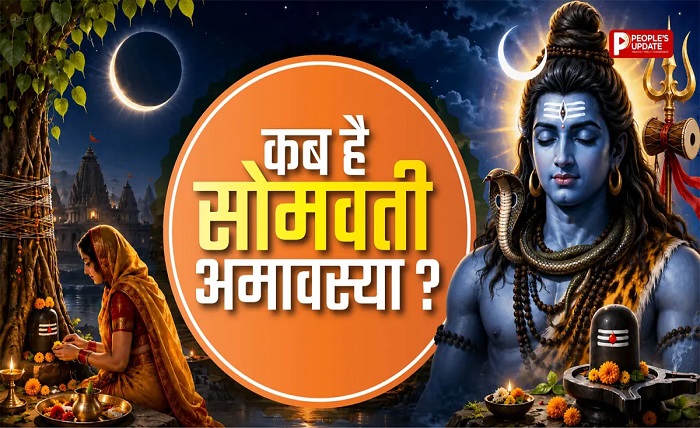
Amavasya kab ki hai also connects to Lord Shiva, with Somvati Amavasya (Monday new moon) being especially powerful for Shiva puja. Amavasya kab ki hai teaches balance between light and dark phases of life. Families perform collective pujas on amavasya kab ki hai to strengthen familial bonds across generations.
Rituals and Puja Vidhi on Amavasya Kab Ki Hai
Amavasya kab ki hai rituals typically begin with a holy bath (snan) in rivers like Ganga or at home. Amavasya kab ki hai involves tarpan with water, black sesame, and barley for ancestors. Performing shraddha on amavasya kab ki hai is believed to liberate souls from suffering.
On amavasya kab ki hai, devotees light diyas, offer flowers, and chant mantras like “Om Pitru Devaya Namah.” Amavasya kab ki hai fasting (upavasa) with fruits or one meal is common for fulfilling desires. Avoid non-vegetarian food and arguments on amavasya kab ki hai to maintain purity.
Special pujas on amavasya kab ki hai include Kalasarpa dosha nivaran for those with astrological afflictions. Amavasya kab ki hai is perfect for charity—donating food, clothes, or money to the needy multiplies blessings. Women often observe specific vrat on amavasya kab ki hai for family well-being.
Detailed vidhi for amavasya kab ki hai includes sankalpa (resolve), invocation of deities, and concluding aarti. Amavasya kab ki hai practices vary regionally, like Aadi Amavasai in Tamil Nadu or Mahalaya in Bengal. Consistency in observing amavasya kab ki hai builds spiritual discipline over time.
Festivals and Special Amavasya Kab Ki Hai Observances
Amavasya kab ki hai coincides with major festivals like Diwali (Kartik Amavasya), marking victory of light. Amavasya kab ki hai during Pitru Paksha culminates in Mahalaya for intense ancestor homage. Mauni Amavasya (Magha) on amavasya kab ki hai encourages silence and maun vrat.
Somvati amavasya kab ki hai (Monday) is auspicious for Shiva-Parvati worship and marital harmony. Amavasya kab ki hai in Jyeshtha relates to Shani Jayanti in some traditions. Regional events like Thai Amavasai highlight diverse celebrations tied to amavasya kab ki hai.
Amavasya kab ki hai during adhik masa carries extra potency for rare rituals. Devotees travel to holy sites when amavasya kab ki hai aligns with important occasions, enhancing merit. Understanding these links makes searching amavasya kab ki hai more meaningful.
Benefits of Observing Amavasya Kab Ki Hai Vrat and Charity
Amavasya kab ki hai vrat is said to remove obstacles and grant wishes when done with faith. Amavasya kab ki hai promotes mental clarity through fasting and prayer. Health benefits attributed to amavasya kab ki hai include detoxification and improved digestion from light meals.
Charity on amavasya kab ki hai, especially food to Brahmins or the poor, yields ancestral peace and prosperity. Amavasya kab ki hai observances help mitigate doshas like pitru dosha. Regular practice of amavasya kab ki hai rituals fosters gratitude and reduces ego.
Psychologically, amavasya kab ki hai serves as a monthly reset, encouraging review of actions. Families bonding over amavasya kab ki hai strengthen emotional ties. Long-term, consistent amavasya kab ki hai sadhana leads to spiritual elevation.
How to Calculate or Check Amavasya Kab Ki Hai Accurately
Amavasya kab ki hai is determined by astronomical conjunction of sun and moon. Use reliable panchang apps or sites for precise amavasya kab ki hai timings adjusted to your timezone. Amavasya kab ki hai duration typically lasts 20-24 hours.
Astrologers advise noting amavasya kab ki hai start and end to perform rituals in the optimal window. Regional variations mean amavasya kab ki hai might differ by a day in some calendars (Purnimanta vs Amanta). Always verify amavasya kab ki hai for your city.
Modern tools make checking amavasya kab ki hai easy, but traditional almanacs remain revered. Planning ahead for amavasya kab ki hai ensures you incorporate it into busy schedules without missing benefits.
Myths and Scientific Perspectives on Amavasya Kab Ki Hai
Amavasya kab ki hai is surrounded by myths of increased ghostly activity, advising caution at night. Amavasya kab ki hai is also viewed positively for planting seeds of intention. Scientifically, amavasya kab ki hai correlates with higher tidal forces, though spiritual claims are faith-based.
Some dismiss amavasya kab ki hai superstitions, yet millions experience peace from rituals. Balancing modern life with respect for amavasya kab ki hai enriches cultural heritage. Debates around amavasya kab ki hai continue, but its observance persists strongly.
Conclusion
Amavasya kab ki hai offers a profound opportunity each month for spiritual growth, ancestor honoring, and personal reflection. By knowing amavasya kab ki hai dates in 2026 and following proper rituals, devotees can harness its energy for peace and prosperity. Whether searching amavasya kab ki hai for dates or deeper meaning, embracing this tithi connects us to ancient wisdom. Make amavasya kab ki hai a regular part of your practice for lasting benefits. Stay devoted and consult local pandits for personalized guidance on amavasya kab ki hai observances.
FAQs
Amavasya kab ki hai in July 2026?
Amavasya kab ki hai falls on July 14, 2026 (Ashadha Amavasya). Timings vary slightly by location.
What should not be done on Amavasya kab ki hai?
Avoid non-veg food, arguments, and unnecessary travel at night during amavasya kab ki hai.
Is fasting mandatory on Amavasya kab ki hai?
Fasting on amavasya kab ki hai is beneficial but optional; partial fasts or charity suffice for many.
How to perform Pitru Tarpan on Amavasya kab ki hai?
Use water, sesame, and barley facing south while reciting mantras during amavasya kab ki hai.
Why is Amavasya kab ki hai important for Diwali?
Kartik Amavasya kab ki hai marks Diwali, celebrating light over darkness with Lakshmi puja.