
Many people search for chaudas kab ki hai when an important Hindu festival or religious observance approaches. The word “Chaudas” refers to the fourteenth day (Chaturdashi) of the lunar fortnight in the Hindu calendar. Since the Hindu calendar is based on lunar cycles, the answer to chaudas kab ki hai changes every month depending on the lunar tithi.
Understanding chaudas kab ki hai requires basic knowledge of the Hindu Panchang. A lunar month is divided into two fortnights: Shukla Paksha (waxing moon) and Krishna Paksha (waning moon). The fourteenth day in either fortnight is known as Chaudas or Chaturdashi. Therefore, when people ask chaudas kab ki hai, they are usually referring to a specific Chaturdashi associated with a festival or religious observance.
The importance of chaudas kab ki hai increases during festivals such as Narak Chaturdashi, Masik Shivaratri, and Anant Chaturdashi. Each of these observances falls on a Chaudas tithi and carries unique religious significance. Because of these variations, devotees often check the Panchang to determine chaudas kab ki hai for a particular month.
In many regions of India, the question chaudas kab ki hai is asked by families preparing for religious ceremonies, fasting rituals, temple visits, and charitable activities. Knowing the exact tithi helps devotees perform rituals at the most auspicious time.
Chaudas Kab Ki Hai According to the Hindu Calendar?
To understand chaudas kab ki hai, it is essential to know how the Hindu calendar calculates dates. Unlike the Gregorian calendar, which follows the solar cycle, the Hindu calendar primarily follows lunar movements. As a result, the date corresponding to chaudas kab ki hai changes every month.
The calculation of chaudas kab ki hai depends on the position of the moon relative to the sun. A tithi is determined by the angular distance between these celestial bodies. When the fourteenth tithi occurs, it is recognized as Chaudas or Chaturdashi.
Religious scholars and astrologers use Panchang calculations to determine chaudas kab ki hai accurately. These calculations consider sunrise, moonrise, and the duration of the tithi. This is why the answer to chaudas kab ki hai may differ slightly depending on location and timing.
People seeking the correct answer to chaudas kab ki hai often consult temple calendars, religious websites, Panchang books, or local priests. These sources provide accurate information about the beginning and ending times of the Chaturdashi tithi.
Chaudas Kab Ki Hai and Why Is It Spiritually Important?
The spiritual importance of chaudas kab ki hai is deeply rooted in Hindu traditions. Chaturdashi is considered a powerful day for prayer, meditation, self-reflection, and devotion. Many devotees observe fasts when chaudas kab ki hai because the day is believed to enhance spiritual growth.
One reason people search for chaudas kab ki hai is to observe Masik Shivaratri, a monthly festival dedicated to Lord Shiva. On this day, devotees visit temples, offer milk and water to the Shiva Lingam, and chant sacred mantras. Knowing chaudas kab ki hai allows them to prepare properly for worship.
Another spiritual aspect of chaudas kab ki hai is the belief that prayers performed on Chaturdashi bring blessings, peace, and prosperity. Many families conduct special pujas and religious readings when chaudas kab ki hai arrives.
The significance of chaudas kab ki hai also extends to ancestor remembrance and charitable acts. In some traditions, devotees donate food, clothes, and essential items on Chaturdashi to earn spiritual merit and seek divine blessings.
Chaudas Kab Ki Hai During Major Hindu Festivals?
A common reason people ask chaudas kab ki hai is because several major Hindu festivals occur on Chaturdashi. These festivals attract millions of devotees across India and around the world.
One of the most popular occasions associated with chaudas kab ki hai is Narak Chaturdashi, celebrated just before Diwali. This festival commemorates the victory of good over evil and symbolizes the destruction of negativity. Families eagerly check chaudas kab ki hai to plan their Diwali celebrations.
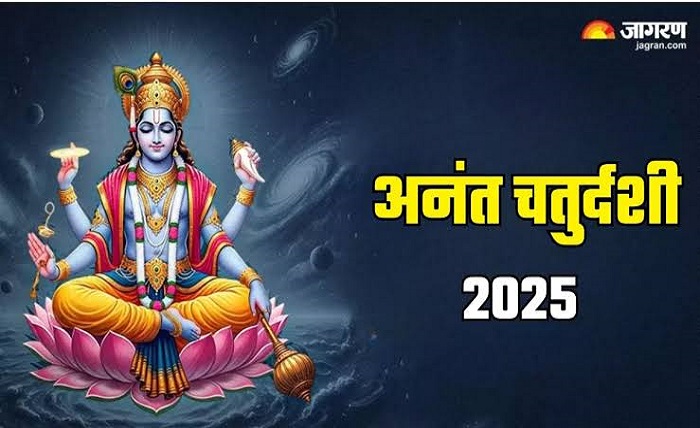
Another important observance linked to chaudas kab ki hai is Anant Chaturdashi. This festival is dedicated to Lord Vishnu and also marks the conclusion of Ganesh Chaturthi celebrations in many regions. Devotees seek information about chaudas kab ki hai to participate in immersion ceremonies and prayers.
Masik Shivaratri is another monthly event that makes people search for chaudas kab ki hai. Since this observance occurs every lunar month, devotees regularly monitor the calendar to know chaudas kab ki hai and prepare for fasting and worship.
Regional traditions also influence interest in chaudas kab ki hai. Different communities celebrate unique rituals on Chaturdashi, making the day culturally significant in addition to its religious importance.
Chaudas Kab Ki Hai and How Is It Celebrated?
The celebration of chaudas kab ki hai varies according to local customs, family traditions, and the specific festival connected to the Chaturdashi tithi. Despite these differences, devotion remains the central theme.
When chaudas kab ki hai, many devotees begin the day with a ritual bath and prayers. Cleanliness and purity are considered important aspects of spiritual observance. Families often decorate home altars and prepare offerings for deities.
Fasting is another common practice associated with chaudas kab ki hai. Some people observe a complete fast, while others consume fruits and simple foods. The fasting ritual is believed to purify the mind and strengthen devotion.
Temple visits become especially important when chaudas kab ki hai. Devotees gather to participate in special prayers, listen to religious discourses, and seek blessings from priests. Temples often witness larger crowds during significant Chaturdashi observances.
Many households also engage in charity when chaudas kab ki hai. Donations to the poor, feeding animals, and supporting community initiatives are considered virtuous acts that enhance the spiritual value of the day.
Chaudas Kab Ki Hai and What Rituals Should Be Followed?
People often ask chaudas kab ki hai because they want to perform the correct rituals at the proper time. Although practices differ among communities, several traditions are commonly observed on Chaturdashi.
When chaudas kab ki hai, devotees typically wake up early and perform purification rituals. These practices symbolize the removal of negativity and the cultivation of positive energy. Many families also clean their homes as part of the observance.
Prayer and mantra chanting are essential activities when chaudas kab ki hai. Devotees recite sacred texts, sing devotional songs, and participate in group worship. These practices help create a spiritually uplifting atmosphere.
Lighting lamps is another important ritual associated with chaudas kab ki hai. The lamp symbolizes knowledge, wisdom, and divine presence. During Narak Chaturdashi especially, lighting lamps is considered highly auspicious.
The observance of chaudas kab ki hai often includes offering flowers, incense, fruits, and sweets to deities. These offerings express gratitude and devotion while strengthening the spiritual connection between worshippers and the divine.
Chaudas Kab Ki Hai and How Can You Find the Exact Date?
Since the answer to chaudas kab ki hai changes every month, it is important to use reliable sources for accurate information. The Hindu lunar calendar follows celestial calculations, making precise timing essential.
One of the easiest ways to determine chaudas kab ki hai is by consulting a Panchang. Traditional Panchang calendars provide detailed information about tithis, auspicious timings, and festival dates. Many households rely on these calendars to track chaudas kab ki hai throughout the year.
Online Panchang services have also become popular for finding chaudas kab ki hai. These platforms offer location-based calculations that account for regional differences in sunrise and moonrise timings.
Mobile applications dedicated to Hindu festivals and astrology can also help answer chaudas kab ki hai. These apps provide notifications and reminders, ensuring that devotees never miss important observances.
Local temples and religious organizations remain trusted sources for information about chaudas kab ki hai. Priests often announce upcoming festival dates and provide guidance regarding rituals, fasting rules, and worship schedules.
Chaudas Kab Ki Hai and Its Relevance in Modern Times?
Even in today’s fast-paced world, interest in chaudas kab ki hai remains strong. Modern technology has made it easier than ever to access religious information, yet traditional values continue to inspire millions of people.
For many families, chaudas kab ki hai is more than a calendar question. It represents an opportunity to reconnect with faith, family traditions, and cultural heritage. Observing Chaturdashi helps preserve customs that have been passed down through generations.
The question chaudas kab ki hai is also relevant for younger generations who wish to learn about their roots. By understanding the significance of Chaturdashi, they gain deeper appreciation for Hindu traditions and spiritual practices.
Social media and digital platforms have further increased awareness of chaudas kab ki hai. Religious organizations, temples, and community groups regularly share festival information, helping devotees stay informed and connected.
Ultimately, the continued popularity of chaudas kab ki hai demonstrates the enduring importance of faith, tradition, and community in modern life. The observance serves as a bridge between ancient wisdom and contemporary living.
Conclusion
The question chaudas kab ki hai is important for devotees seeking to observe religious rituals, fasting practices, and festival celebrations according to the Hindu lunar calendar. Because Chaturdashi occurs every lunar month, the answer to chaudas kab ki hai changes regularly and must be verified through a reliable Panchang or trusted religious source. Understanding chaudas kab ki hai not only helps with accurate festival planning but also provides an opportunity to engage in meaningful spiritual practices, strengthen cultural traditions, and deepen one’s connection with faith.
FAQs
1. Chaudas kab ki hai?
The answer to chaudas kab ki hai depends on the lunar calendar and changes every month. You should check a current Panchang for the exact date.
2. Why do people search for chaudas kab ki hai?
People search for chaudas kab ki hai to observe religious rituals, fasting, temple visits, and festivals associated with Chaturdashi.
3. Is chaudas kab ki hai the same every month?
No, chaudas kab ki hai changes every month because it is based on lunar calculations rather than the fixed Gregorian calendar.
4. Which festivals are associated with chaudas kab ki hai?
Several festivals are linked to chaudas kab ki hai, including Narak Chaturdashi, Anant Chaturdashi, and Masik Shivaratri.
5. How can I find the exact answer to chaudas kab ki hai?
You can find chaudas kab ki hai through a Panchang, temple calendar, astrology app, or trusted religious source that provides lunar calendar details.